
Volume Eating 101: How to Eat More Food While Dropping Calories
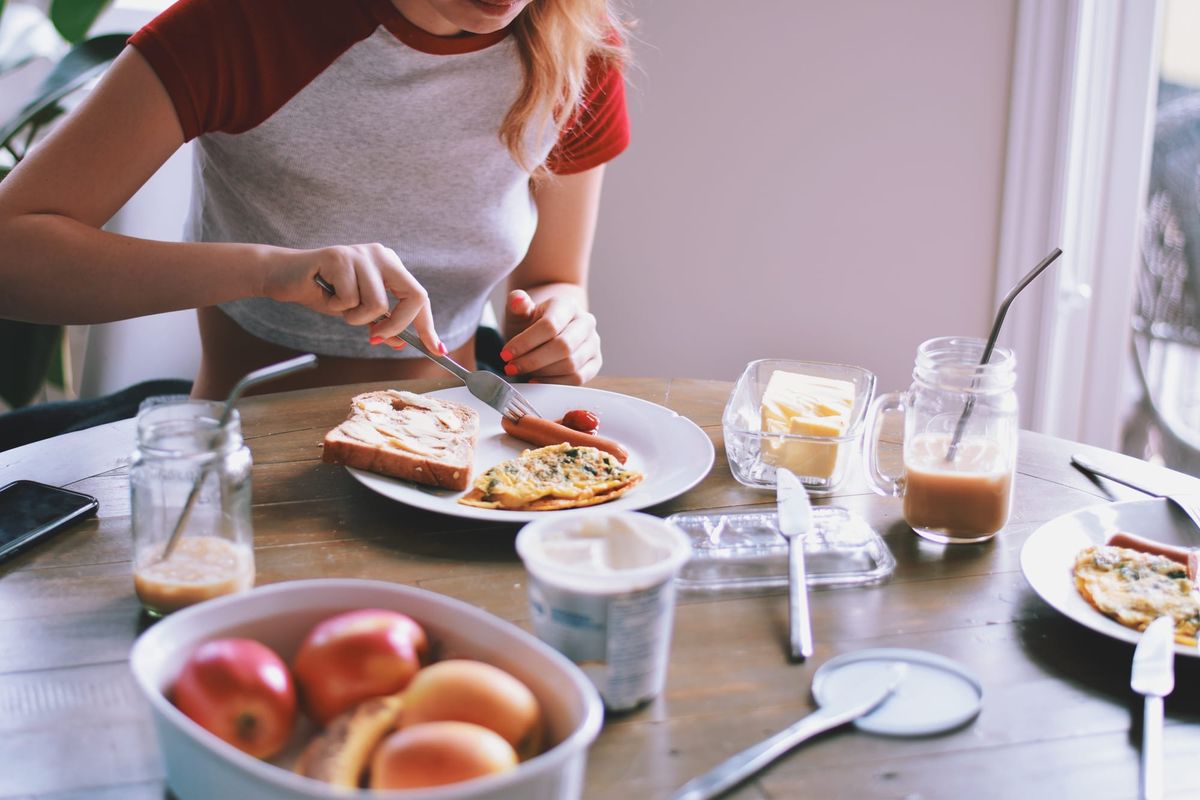
Let’s be honest: traditional dieting can sometimes feel a lot like punishment.
We’ve all seen the stereotypical "diet plate"—a solitary, unseasoned chicken breast sitting next to three lonely spears of asparagus. You finish eating in four minutes flat, your stomach is still rumbling, and you spend the rest of the afternoon staring at the clock, counting down the minutes until your next micro-meal.
It’s no wonder so many people give up on their health goals. Human beings aren't wired to live in a constant state of hunger.
But what if we told you that you could completely flip the script? What if you could look down at a massive, overflowing plate of food—a meal that takes you 20 minutes to finish—and actually consume fewer calories than you used to?
Welcome to Volume Eating. This is the ultimate nutrition framework for anyone who loves the psychological satisfaction of eating big portions but still wants to manage their weight and feel their best.
The Secret: Calorie Density vs. Nutrient Volume
To understand volume eating, we have to look at how our bodies signal fullness. Your stomach doesn’t have a built-in calculator that counts calories. Instead, it has stretch receptors. These are physical sensors that detect how much space food is occupying. When your stomach stretches to a certain capacity, it sends a signal to your brain saying, "Hey, we’re full, you can stop eating now."
This is where the concept of calorie density comes into play. Calorie density refers to the number of calories in a specific weight or volume of food.
To visualize this, imagine two vastly different plates:
- Plate A: 2 tablespoons of peanut butter.
- Plate B: 4 cups of fresh strawberries and a whole sliced cucumber.
Both of these options contain roughly 200 calories. However, Plate A can be swallowed in two quick bites and barely registers on your stomach’s stretch receptors. Plate B, on the other hand, fills an entire mixing bowl, requires significant chewing, and physically occupies space in your digestive system.
Volume eating is the art of strategically choosing foods that have a low calorie density but high physical volume. By filling your plate with these items, you can trick your brain and body into feeling completely stuffed, while effortlessly maintaining a caloric deficit.
3 Simple Ways to "Volume-Up" Your Favorite Meals
You don't need to completely give up the comforting foods you love to practice volume eating. Instead, you just need to learn how to stretch them using high-volume, low-calorie "fillers."
Here are three incredibly simple swaps you can make in the kitchen today.
1. The 50/50 Grain Trick
Rice, pasta, and quinoa are delicious, but a single cup of cooked white rice packs about 200 calories, and visually, it looks like a very small portion.
- The Volume Upgrade: The next time you make a stir-fry, burrito bowl, or curry, cook half the amount of regular rice you normally would. Fill the other half of the bowl with steamed cauliflower rice.
- The Result: When mixed together with your favorite sauces and seasonings, the cauliflower rice absorbs all the flavor and mimics the texture of regular rice perfectly. You end up with a mountain of food on your plate for a fraction of the calories.
2. The Great Pasta Stretch
A standard serving of Italian pasta is about 2 ounces dry, which looks incredibly sad sitting at the bottom of a bowl.
- The Volume Upgrade: Instead of doubling the pasta noodles, double your plate using zucchini noodles (zoodles) or shredded cabbage. Toss the veggies into the boiling pasta water for just the last 60 seconds of cooking, then strain everything together.
- The Result: When you coat the mixture in your favorite marinara or meat sauce, your eyes and your stomach will register a massive, gourmet portion of spaghetti, but you will have slashed the carbohydrate calories in half.
3. Bulk Up Your Morning Oats
Oatmeal is fantastic for cholesterol and digestion, but a standard half-cup serving of dry oats can look a bit skimpy once cooked.
- The Volume Upgrade: While your oats are simmering on the stovetop, stir in half a cup of finely grated zucchini (courgette) or riced cauliflower.
- The Result: Don't knock it until you try it! Because these vegetables have a very neutral flavor, they completely disappear into the oats while doubling the size of your breakfast bowl. Top with cinnamon and a splash of vanilla, and you’ll have a luxurious, filling breakfast that keeps you full until noon.
The Best High-Volume Foods to Stock in Your Kitchen
If you want to master the art of eating more while consuming less, keep these high-volume champions on your weekly grocery list:
| Food Item | Why it Wins | Best Used For |
| Air-Popped Popcorn | Incredibly low calorie; 3 whole cups is only about 100 calories. | Midnight movie snacking without the chip grease. |
| Egg Whites | Pure protein with almost zero fat or carbs; incredibly high volume. | Adding to whole eggs to double the size of an omelet. |
| Watermelon & Berries | Packed with water and fiber; very low calorie density. | Satisfying a sweet tooth with a massive fruit bowl. |
| Spinach & Arugula | You can eat cups of it for less than 20 calories. | Layering at the bottom of every single lunch bowl. |
Eat Smart, Eat Well, Eat More
Dieting doesn't have to mean deprivation. By shifting your mindset away from "How little can I get away with eating?" and toward "How can I get the most food out of these calories?", you create a sustainable lifestyle that you can actually enjoy for the long haul.
Give the 50/50 grain trick a try with your dinner tonight and see just how satisfying healthy eating can truly be!
Want to Master the Art of Healthy Eating?
If you're tired of tiny portions and constant cravings, you've found your home. At Healthiest Calories, we share practical, everyday strategies to help you reach your goals without giving up the joy of eating. Subscribe to our newsletter today for exclusive volume-eating recipes and simple nutrition hacks delivered straight to your inbox!